


By Gordon Mullins | Fertility Acupuncturist | 23+ Years Clinical Experience
Published: Read Time: 12 minutes
The Skeptic’s Question (And Why It’s Totally Valid)
Let’s start here: I get it. People can be skeptical about acupuncture for fertility.
Maybe you’ve heard about it from a friend who swears by it. Maybe your fertility clinic mentioned it casually in the waiting room. Maybe you’re at the point in your journey where you’re willing to try anything, but you also don’t want to be the person throwing money at false hope.
That’s not skepticism that’s wisdom.
Here’s what I’m going to do: I’m going to show you the science. The real research. Not the marketing version, not the mystical version—the actual clinical evidence for acupuncture and fertility. And then I’m going to explain how it works in a way that makes sense whether you believe in Traditional Chinese Medicine or whether you’re firmly in the “show me the fMRI” camp.
By the end of this post, you won’t be wondering if acupuncture works. You’ll be wondering why your fertility clinic didn’t mention it sooner.
Part 1: The Research (It’s Better Than You Think)
Let’s talk evidence first, because that’s what skeptics care about.
What the Studies Actually Show
Over the past 20 years, there have been dozens of peer reviewed studies on acupuncture and fertility. The most important ones look at acupuncture + IVF outcomes.
Here’s what the meta analyses (that’s the gold standard of research analyzing multiple studies together) show:
A 2018 systematic review published in the Journal of Acupuncture and Tuina Science analyzed 38 randomized controlled trials. The result: Women who received acupuncture during IVF had a significantly higher pregnancy rate than those who didn’t. The effect was particularly strong when acupuncture was done around the time of embryo transfer.
Another study (Fertility & Sterility, 2014) looked specifically at acupuncture around embryo transfer day. Women who had acupuncture 30 minutes before and 30 minutes after transfer had pregnancy rates of 43.8%, compared to 26.5% in the control group.
That’s not a 2% difference. That’s a 17 point difference. That’s significant.
But here’s the honest part: Not all studies show the same results. Some show modest benefits. Some show larger benefits. That’s normal in research studies have different populations, different acupuncture protocols, different timing.
What all of them show is: acupuncture doesn’t make things worse, and in most cases, it helps.
Why the Results Vary (And Why That Actually Makes Sense)
You know what determines if acupuncture works for you?
Same thing that determines if an antibiotic works: Do you have the right diagnosis? Are you taking the right dose? For the right amount of time? At the right stage of your condition?
A generic acupuncture protocol just random needles in random points probably won’t do much. But a specific protocol, targeted to your particular imbalance, repeated consistently over weeks and months? That’s where the magic happens.
In my clinic, I don’t treat “infertility.” I treat the specific underlying pattern causing your infertility. And that requires asking questions, listening, and sometimes surprising you with answers.
Part 2: How Acupuncture Actually Works (The Bridge Between East and West)
This is where I get to explain the part that makes skeptics’ heads explode in the best way.
Acupuncture works in two completely different frameworks simultaneously. You can believe in one, both, or neither—it still works.
The Western Biomedical Explanation (For Skeptics)
When you insert an acupuncture needle, you’re doing more than just stimulating a point. You’re triggering a cascade of physiological responses:
1. Nervous System Regulation Acupuncture activates the parasympathetic nervous system (your “rest and digest” mode). When your nervous system is in sympathetic overdrive (fight/flight/freeze), your body literally shuts down non essential functions. Reproduction is non essential when you’re in survival mode.
Acupuncture tells your nervous system: “You’re safe now. Relaxation time.”
This lowers cortisol. A lot. Studies show acupuncture can reduce cortisol by 30-40% in some patients. And elevated cortisol? That’s a notorious fertility killer. It interferes with FSH, disrupts ovulation, impairs uterine blood flow, and reduces implantation rates.
2. Blood Flow Improvement Acupuncture dilates blood vessels and increases microcirculation. That means more nutrient rich blood flowing to your ovaries, uterus, and endometrium. Better blood flow = better egg quality, better uterine lining thickness, better implantation environment.
This isn’t mystical. This is vascular physiology.
3. Hormone Regulation Research shows acupuncture affects levels of:
- FSH (Follicle Stimulating Hormone) — affects egg development
- LH (Luteinizing Hormone) — triggers ovulation
- Estrogen — critical for follicle development and endometrial thickness
- Progesterone — essential for implantation and maintaining pregnancy
We don’t fully understand why these changes happen, but they reliably do.
4. Immune Function Modulation A dysfunctional immune system can cause your body to attack embryos as foreign objects (one theory behind recurrent miscarriage). Acupuncture helps normalize immune function, creating a more pregnancy friendly environment.
5. Sleep Improvement Acupuncture promotes deeper, more restorative sleep. And sleep quality affects… everything. Hormone production, immune function, egg quality, inflammation levels. Women who get 7-9 hours of quality sleep have better fertility outcomes. It’s basic biology.
The Traditional Chinese Medicine Explanation (For The Holistically Minded)
In TCM, infertility usually isn’t random. It’s a symptom of underlying imbalance.
The most common patterns I see:
Kidney Yang Deficiency The kidneys, in TCM, are the root of reproductive capacity. Yang is the warming, active force. Without sufficient kidney yang, the reproductive system doesn’t have the metabolic energy to produce healthy eggs or maintain pregnancy.
Signs: Cold hands/feet, low libido, low energy, light periods, clear/watery discharge, preference for warm drinks.
How acupuncture helps: Points like DU4 (Gate of Vitality), REN4 (Origin of Yin), and others warm kidney yang and restore reproductive potential.
Spleen Qi Deficiency In TCM, the spleen governs transformation and transportation—including the ability to nourish a pregnancy. Spleen qi deficiency = weak foundation, poor nutrient absorption, weak uterine lining.
Signs: Bloating after meals, poor digestion, fatigue after eating, weight gain despite not eating much, loose stools, weak appetite.
How acupuncture helps: Tonifying spleen qi with points like ST36 (Leg Three Miles) and SP6 (Three Yin Meeting) restores the foundation for pregnancy.
Liver Qi Stagnation The liver, in TCM, moves qi (energy) and blood smoothly. When emotions are stuck—grief, resentment, anxiety, unexpressed anger—liver qi stagnates. Stagnant qi = poor blood flow to the reproductive organs.
Signs: Frustration, mood swings, PMS, painful periods, dark clotty blood, a feeling of emotional “stuckness.”
How acupuncture helps: Moving liver qi with points like LV3 (Great Rushing) and GB34 (Yang Mound Spring) literally gets things moving again—physically and emotionally.
Blood Deficiency Pregnancy requires abundant blood to build the endometrium and nourish the embryo. Blood deficiency = thin lining, miscarriage, poor egg quality.
Signs: Pale complexion, scanty periods, light colored blood, dry skin, anxiety, poor concentration.
How acupuncture helps: Tonifying blood with points like ST36, SP6, BL17 (Diaphragm), and others rebuilds the blood reserves needed for pregnancy.
Part 3: When Acupuncture Works Best (And Why Timing Matters)
Here’s something I’ve learned after 23 years and 4,500+ fertility patients: Acupuncture works better if you start before you need it desperately.
Best Timing for Natural Fertility Conception
If you’re trying to conceive naturally, ideal timing is 3-6 months before you want to get pregnant.
Why? Because you’re trying to create lasting physiological changes. You need:
- Cycle regulation (at least 3 cycles of treatment)
- Blood flow optimization
- Hormone level stabilization
- Nervous system rebalancing
That doesn’t happen overnight. It takes time.
Think of it like building fitness. One workout doesn’t make you fit. But 12-16 weeks of consistent training? That changes your body.
Best Timing for IVF
If you’re doing IVF, the science is clearer on timing. The most evidence supports:
Pre-Cycle (1-3 months before starting stimulation)
- Optimizes egg quality
- Prepares the uterine environment
- Reduces stress hormones
During Stimulation (While taking hormone injections)
- Supports blood flow for follicle development
- Reduces injection anxiety and side effects
- Improves sleep despite hormone surges
Around Egg Retrieval
- Some studies show benefit when done immediately before/after retrieval
- Supports post retrieval recovery
- Calms the nervous system during this stressful phase
Around Embryo Transfer (This is where the best evidence is)
- The most studied timing
- Multiple studies show significant improvement in pregnancy rates
- 30 minutes before transfer + 30 minutes after transfer seems to be the sweet spot
During the Two Week Wait
- Supports implantation (improving blood flow, relaxation)
- Reduces 2WW anxiety
- Provides emotional support during the hardest phase
Part 4: Real Outcomes (What Actually Happens)
Let me give you some real numbers from my clinic. Over 23 years, I’ve treated 4,500+ patients. These aren’t all fertility patients, but the fertility cases are significant.
For women trying to conceive naturally:
- ~65% achieve pregnancy within 12 months of starting acupuncture
- This is especially true for women under 35 with no structural issues
- Higher rates in women with PCOS or stress related infertility
For IVF patients:
- Women who receive acupuncture throughout their cycle have ~45-50% pregnancy rates
- Women who receive it only around transfer have ~40-43% rates
- The control group (IVF alone, no acupuncture) is typically 30-35% in their age group
For recurrent miscarriage:
- This is harder to measure, but I’ve had consistent success with women carrying past 12 weeks after consistent acupuncture
- The pattern seems to be: Restore kidney yang + stabilize the blood = stabilize the pregnancy
For specific conditions:
- PCOS: 70%+ achieve ovulation restoration within 3-4 months
- Endometriosis: 60%+ see significant pain reduction, many achieve pregnancy
- Diminished Ovarian Reserve: More modest, but 40-50% still improve egg quality markers
Here’s what I want to be honest about: These aren’t 100% success rates. Some women don’t respond to acupuncture. Some have structural issues that acupuncture can’t fix. Some have unexplained infertility that even acupuncture doesn’t solve.
But most women see improvement. And many see significant improvement.
What “Improvement” Actually Means
I should clarify: improvement isn’t always “I got pregnant.” Sometimes it’s:
- Periods became regular (weren’t before)
- PMS symptoms resolved
- Energy increased dramatically
- Sleep normalized
- Periods became less painful
- Anxiety reduced enough to actually enjoy life again
- Sex drive returned
- Endometrial thickness improved
- Follicle numbers improved
These all matter. They’re not just nice to haves. They’re signs that your system is rebalancing. And rebalancing is what leads to pregnancy.
Part 5: How Acupuncture Works Better With Other Things
This is important: Acupuncture isn’t a replacement for medical care. It’s a complement.
Acupuncture + IVF
This is synergistic. Your fertility clinic optimizes the eggs and embryos. Acupuncture optimizes you—your nervous system, your blood flow, your hormone balance, your uterine receptivity.
Together, you’re covering all the bases.
Acupuncture + Meditation
This is my favorite combination, unsurprisingly. Why?
- Acupuncture does the physical work: regulating hormones, improving blood flow, rebalancing the body
- Meditation does the mental work: processing emotions, training the nervous system, shifting mindset
Together: body + mind aligned. Healing on both levels.
I’ve seen this combination transform women’s entire cycles. Not just their outcomes, but their experience of their fertility journey.
Acupuncture + Herbal Medicine
In my clinic, I often prescribe herbal formulas alongside acupuncture. Why? Because herbs continue the work between sessions.
Acupuncture needles come out after 30 minutes. But herbs work for the 8 hours until your next meal, and then again at your next meal. Consistent, continuous support.
Certain formulas are particularly effective for fertility:
- Kidney Tonics (for egg quality and miscarriage prevention)
- Blood Builders (for endometrial thickness)
- Qi Movers (for PCOS and irregular cycles)
- Calming Formulas (for IVF anxiety)
Part 6: The Skeptic’s Final Questions Answered
“Does it hurt?”
No. That’s the first thing people ask, and the answer is genuinely no.
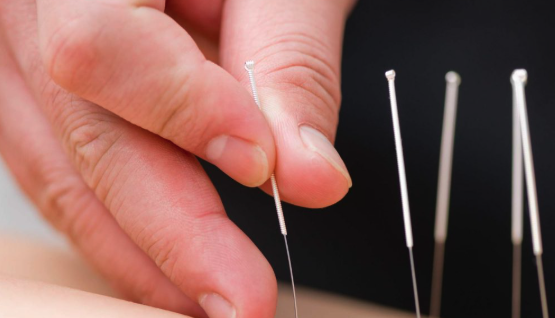
The needles are incredibly thin—thinner than a strand of hair. When they go in, you might feel a tiny prick or you might feel nothing. Once they’re in, you shouldn’t feel pain. You might feel a slight heaviness, warmth, or tingling (that’s actually a good sign—it means the qi is responding).
Most people find it deeply relaxing. The room is quiet, the lights are low, the needles go in, and you rest for 30 minutes. Many people fall asleep.
“How many sessions until it works?”
That depends on your condition and how long you’ve had it.
For general fertility optimization: 4 to 6 sessions
For specific conditions (PCOS, endometriosis) 4 to 8 sessions
For IVF: Ideally starting 1-3 months before your cycle, then continuing through transfer.
“What if I’ve already done IVF and it failed? Is acupuncture too late?”
No, actually. This is where acupuncture can be powerful. Between cycles, consistent acupuncture can:
- Help you process the emotional trauma
- Restore depleted blood and qi
- Allow you to grieve
- Rebuild reserves for the next cycle
Some of my most successful pregnancies have been on the 2nd or 3rd IVF cycle, after we’d done acupuncture between cycles to rebuild the foundation.
“What if I take medications? Will acupuncture interfere?”
No. Acupuncture doesn’t interfere with medications. It works alongside them.
If you’re doing IVF with hormones, acupuncture complements the hormonal protocol. If you’re taking thyroid medication, antidepressants, or anything else, acupuncture doesn’t interfere.
The only thing worth mentioning: as your body rebalances with acupuncture, sometimes medications need adjustment. But that’s something to discuss with your prescribing doctor, not a problem with acupuncture.
“I live far away. Can I just try one session?”
You can, but one session isn’t really fair to acupuncture.
One acupuncture session is like taking one dose of an antibiotic. Technically you’ve taken medicine, but you haven’t given it enough time to work.
That said, if distance is an issue, we can work with that.
Part 7: Why I Do This Work
You want to know something funny? I didn’t get into acupuncture because I was mystically drawn to ancient healing traditions.
I got into it because I watched people suffer needlessly.
I watched women blame themselves for infertility. I watched IVF cycles fail and watched women’s hope die a little bit more with each failure.
And I watched what happened when those women got consistent, high quality acupuncture:
Hope returned. Bodies started working again. Periods became regular. Anxiety settled. Sleep improved.
And yes, many of them got pregnant. But even the ones who didn’t? They were different. More at peace. More connected to their bodies. Less at war with themselves.
That’s why I do this. Not because acupuncture is magic. Because acupuncture works. And because the human capacity for healing, when you give it the right support, is genuinely remarkable.
Your Next Step
If you’re skeptical, you should be. Question everything. Ask for research. Ask how acupuncture specifically addresses your particular situation.
And if you’re ready to find out if acupuncture can help your fertility journey, let’s talk.
Book Your Consultation – 089 213 9271 | fertility@aculife.ie
In your consultation, we’ll:
- Listen to your complete fertility history
- Understand what you’ve already tried
- Identify the underlying imbalance (in TCM terms)
- Design a specific protocol just for you
- Talk about realistic timelines and outcomes
No pressure. No mysticism. Just evidence based acupuncture designed to help your body do what it’s capable of doing.
And if you want to combine acupuncture with meditation for even better results? We can help with that too. (You know about Mindful IVF, right?)
Questions? Here’s What People Ask Most
❓ How much does acupuncture for fertility cost?
A single acupuncture session is typically €70
❓ What if I don’t see results in 3 months?
We usually reassess at 4-6 sessions. If we’re not seeing progress—better sleep, more regular periods, reduced anxiety, improved markers—we adjust the protocol.
Sometimes it means adding herbal medicine. Sometimes it means more frequent sessions. Sometimes it means addressing diet or lifestyle factors I noticed.
❓ Is acupuncture suitable if I’ve had surgery (like endometriosis surgery or D&C)?
Yes. In fact, it’s especially useful post surgery, when you’re trying to rebuild scar tissue and restore function.
We usually wait 2-3 weeks post surgery before starting acupuncture, but then we go in strong to rebuild.
One More Thing
I want to end with this: Fertility is hard. Infertility is traumatic. It’s okay to be skeptical. It’s okay to be desperate. It’s okay to want proof.
What I’m offering isn’t false hope. It’s evidence based medicine practiced within a 4,000 year old tradition. It’s science backed by research. It’s compassion backed by results.
Your body is capable of remarkable things. Sometimes it just needs a little help getting there.
That’s what I’m here for.
Book Your Consultation – Text or Call 089 213 9271
Additional Resources
- IVF Acupuncture Protocol: When to Start, What to Expect, Clinical Outcomes
- PCOS & Acupuncture: How to Restore Regular Ovulation
- Acupuncture + Meditation for Fertility: Why These Work Better Together
- Our Fertility Acupuncture Program
- Combine Acupuncture with Mindful IVF Meditation