


By Gordon Mullins, Fertility Acupuncturist & Meditation Teacher
23+ years specialising in fertility and IVF support in Cork
If you’ve been trying for a baby for the last few months and every month seems to end with your period arriving, there’s probably one question going around and around in your mind, every hour of every day. Why am I not getting pregnant? Is there something wrong?
It’s one of the most common questions asked in my fertility clinic in Cork, Aculife.
Very often there’s a clear medical explanation. Sometimes there are several smaller issues creating a bigger issue. And then there are the times, every test comes back normal and you’re left with that frustrating diagnosis of unexplained infertility. Now as you know from me, i dont believe in the unexplained, i believe it to be poor diagnosis.
After more than 23 years working specifically with fertility and IVF, and supporting more than 4,500 women through their fertility journeys, one thing I’ve learned is that fertility rarely feels as simple as we expect it to be. Considering you may have done an amazing job of telling your body to not get pregnant for 10 to 15 years, now your wondering whats wrong.
So let’s look at some of the things that may be causing you to take longer to get pregnant.
First off, the quick answer: If you’re not getting pregnant, it doesn’t necessarily mean that something is seriously wrong. Age, ovulation, timing, sperm health, fallopian tubes, conditions such as PCOS or endometriosis and other factors can all affect how quickly pregnancy happens. Everybody will have something, it just depends how that something is effecting your chances of having a baby.
1. How Long Have You Actually Been Trying?
This is the first thing I will always ask. When you decide you want a baby, it’s very easy to assume pregnancy should happen almost immediately. As this is what we have been told over and over again how easy it is to get pregnant. And when it doesn’t happen, three months can suddenly feel like three years. What we were not told is that human reproduction isn’t very efficient.
Even when intercourse happens around the fertile window, pregnancy isn’t guaranteed in any individual cycle. You have a typical 15% to 18% per month of getting pregnant. That’s an 82% chance per month of not getting pregnant, and this is normal, when nothing is wrong.
Your age also matters somewhat. Note somewhat, If you’re younger, conception may take a number of months. As you get older, however, fertility gradually declines and it can make sense to seek out fertility advice sooner. As a general rule, talk to your GP or fertility specialist if you’ve been trying for around 12 months if you’re under 35, or around 6 months if you’re 35 or older. Again try not to put too much emphasis on age, we meet our partner when we meet them.
Do take note, for example when there are very irregular or absent periods, previous pelvic surgery, endometriosis, recurrent miscarriage or a known male fertility issue.
You don’t have to wait until you’re desperate before asking questions.
2. Are You Actually Ovulating?
Having a period doesn’t automatically tell us everything about what’s happening during your menstrual cycle. Ovulation is the point when an egg is released from the ovary. For pregnancy to occur naturally, sperm needs to be present around this fertile window. Which is typically 2 days before ovulation and 2 days after ovulation, we call this your fertile window.
Some women have very predictable cycles. Many others however don’t.
Its very common to see Long cycles, short cycles, irregular cycles or missing periods and this can sometimes suggest that ovulation isn’t happening regularly.
Other conditions such as PCOS can affect ovulation.If you’re unsure whether you’re ovulating, talk to your GP or fertility specialist.
Ovulation predictor kits can also be useful, although I don’t want fertility to become another full-time job. Notice the word Predictor
I’ve seen women become completely consumed by apps, temperatures, tests and calendars and forget the most basic part, having fun.
Sometimes too much information becomes another source of stress and anxiety.
Use the technology, don’t let the technology use you.
3. Are You Having Sex at the Right Time?
This sounds incredibly obvious, and it should be but honestly the number of patients i see who dont know when they are ovulating, or their fertile window.
But fertility timing is one of the areas where couples can put themselves under enormous pressure. BTW your partner doesnt need to know your ovulating…
The egg is available for fertilisation for a relatively short period after ovulation around 18 hours-ish, while sperm can survive for 60 hours within the female reproductive tract. That means your fertile window starts before you actually ovulate or before your OPK tells you.
You don’t necessarily need to identify one magical hour, it doesnt exist… I promise…
Regular intercourse during the fertile part of your cycle generally gives sperm the opportunity to already be present when ovulation occurs.
After months of trying to conceive, sex can become another medical procedure. It’s Tuesday. The app says I’m ovulating. We have to have sex.”*
I’ve heard variations of this conversation thousands of times.
Try to let fertility remove all the intimacy from your relationship thats going to reduce your chances of having a baby…..
4. Your Age Matters, but but but It Isn’t Your Entire Fertility Story
This can be a difficult subject. Female fertility changes with age because both the number and, importantly, the quality of available eggs change over time. And yes we can and do feel 10 years younger in our minds and see celebs getting pregnant so much later in life, but do you truly know how they got there.
The decline becomes more significant as women move through their mid-to-late thirties and into their forties.
But your age is one part of your fertility puzzle. I’ve worked with 38-year-olds convinced their chances were gone because of something they read online. And I’ve met younger women who assumed age meant they couldn’t possibly have a fertility problem. Neither assumption is helpful.
Age helps us decide how quickly we should investigate and what options may be appropriate, its a metric. It isn’t a verdict on whether you will or won’t become a mother.
5. What About AMH and Egg Quality?
AMH, Anti-Müllerian Hormone, causes an enormous amount of anxiety.
I see this regularly in my Cork clinic. A woman receives a low AMH result, searches online and suddenly feels as though somebody has put an expiry date on her fertility. But AMH needs so much more context. AMH is primarily used as an indicator of **ovarian reserve** and can help fertility specialists understand how your ovaries may respond to stimulation. However in what I see in clinic its more like ovarian recruitment, and yes we can debate either side. Just please do your research.
It does not directly measure the quality of your eggs.That’s an important distinction. Egg quality is strongly associated with age, but fertility is more complicated than any single blood-test result. So if you’ve received an AMH result that frightened you, please don’t try to interpret the number in isolation.
6. Fertility Isn’t Only About the Woman
This deserves much more attention than it gets. When pregnancy isn’t happening, women often immediately turn the spotlight onto themselves.
What’s wrong with me? But maybe whats wrong with him? It takes two to tango. Male factor fertility can involve sperm concentration, movement, morphology and other factors. That’s why semen analysis is such an important part of fertility investigation. If you’ve been trying for some time and investigations are beginning, both partners should be part of the conversation. Fertility should have never automatically become the woman’s problem to solve.
7. Could PCOS, Endometriosis or Another Condition Be Involved?
Sometimes there is an underlying medical reason pregnancy is taking longer. Two conditions you’ll hear about frequently are PCOS and endometriosis.
PCOS can affect ovulation and menstrual cycles. Endometriosis can affect fertility in several ways and doesn’t always produce obvious symptoms.
Other factors can include problems involving the fallopian tubes, uterus, hormones or previous infections or surgery. This is why proper fertility assessment matters.
If pregnancy isn’t happening, the answer isn’t necessarily another supplement, another fertility diet or another thing you’ve seen on Instagram.
Sometimes you simply need more information about what’s happening medically.
8. What If All My Fertility Tests Are Normal?
This can be one of the hardest situations emotionally. You’ve had the blood tests. You’ve had the scans. Your partner’s sperm looks fine.
And you’re still not pregnant. Then somebody says: Everything looks normal.
Because if everything is normal why aren’t you pregnant? This is where the term unexplained infertility may be used. I’ve worked with many women and couples in this position over the past 23 years.
And one thing I always emphasise is: Don’t turn unexplained into my fault. They are not the same thing.
9. What About Stress, Sleep and Your General Health?
This is another area where fertility information can become unhelpful.
Women are constantly told. Just relax and it’ll happen.
I don’t like that phrase. Firstly, it makes you feel responsible for not being relaxed enough. Secondly, anyone who has been trying unsuccessfully for a baby knows that simply deciding to relax isn’t particularly easy. Stress is part of being human. You don’t have to achieve some perfect Zen state before you’re allowed to become pregnant.
I encourage the women I work with to stop askin.: What can I do to force myself to get pregnant?
and instead ask, How can I support myself while I’m trying to get pregnant? It’s a very different way of approaching fertility.
10. Maybe It’s Time to Get Some Support You don’t have to navigate fertility alone. In Ireland, there are now public fertility services through the HSE as well as private fertility clinics. And alongside medical investigation and treatment, some women choose additional forms of support. That’s where my own work comes in.
Where Does Fertility Acupuncture Fit?
I have worked specifically with fertility and IVF patients for more than 23 years at Aculife Acupuncture Cork.
Over that time, I’ve supported more than 4,500 women through different stages of their fertility journey, from trying naturally through fertility investigations, IUI, IVF, embryo transfer and pregnancy. Acupuncture isn’t a replacement for your GP or fertility clinic. And I don’t believe in promising women that acupuncture will magically make them pregnant. That’s not how fertility works.
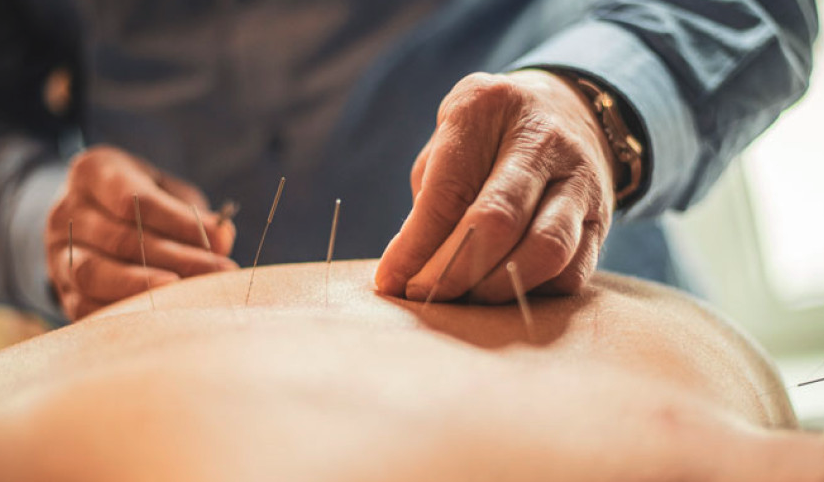
Instead, fertility acupuncture can be used as a complementary form of support alongside your medical care and while you’re trying naturally.
My approach is always individual. We look at where you are in your cycle, what you’ve been through, your medical diagnosis if you have one, your IVF history where relevant, and perhaps most importantly, how you’re actually coping with all of this.
Because fertility isn’t simply happening to your ovaries. It’s happening to you.
When Should You Ask for Fertility Help?
Consider talking to your GP or fertility specialist if:
you’ve been trying for around 12 months and you’re under 35
you’ve been trying for around 6 months and you’re 35 or older
your periods are very irregular or absent
you or your partner have a known fertility issue
you’ve experienced recurrent pregnancy loss
you’re simply concerned about your fertility and would like professional advice.
BTW You don’t have to tick every box before you’re allowed to ask for help.
A Final Thought From 23 Years in the Fertility Room. If you’re reading this because another month hasn’t worked, I want you to remember something.
A negative pregnancy test tells you what happened this month. It doesn’t tell you the whole story of your fertility.
Fertility & IVF Acupuncture in Cork
I’m Gordon Mullins, fertility acupuncturist and meditation teacher at Aculife Acupuncture Cork.
For more than 23 years, my clinical work has focused on supporting women and couples through fertility and IVF, and I’ve now worked with more than 4,500 women during their fertility journeys. If you’re trying naturally, preparing for IVF or simply don’t know what your next step should be, you’re welcome to get in touch.
Sometimes the first appointment isn’t about having all the answers. It’s about having somewhere to begin.
Aculife Acupuncture Cork
Fertility & IVF Acupuncture
Cork, Ireland
This article is for general educational purposes and isn’t a substitute for individual medical advice, diagnosis or treatment. Always consult your doctor.